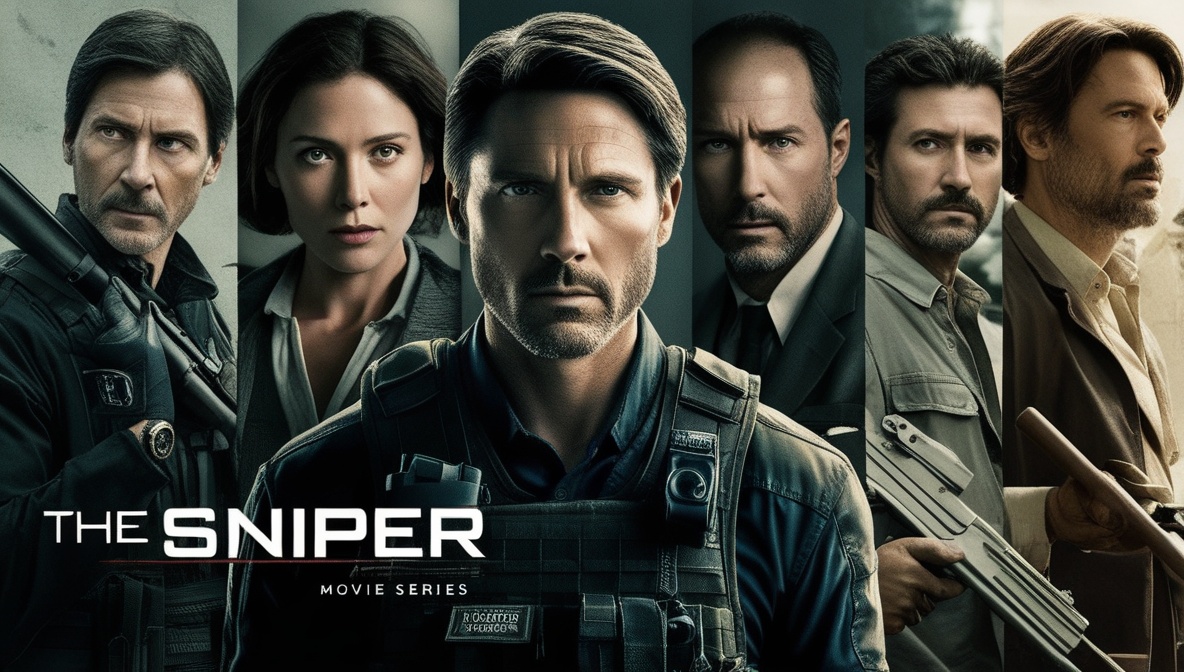
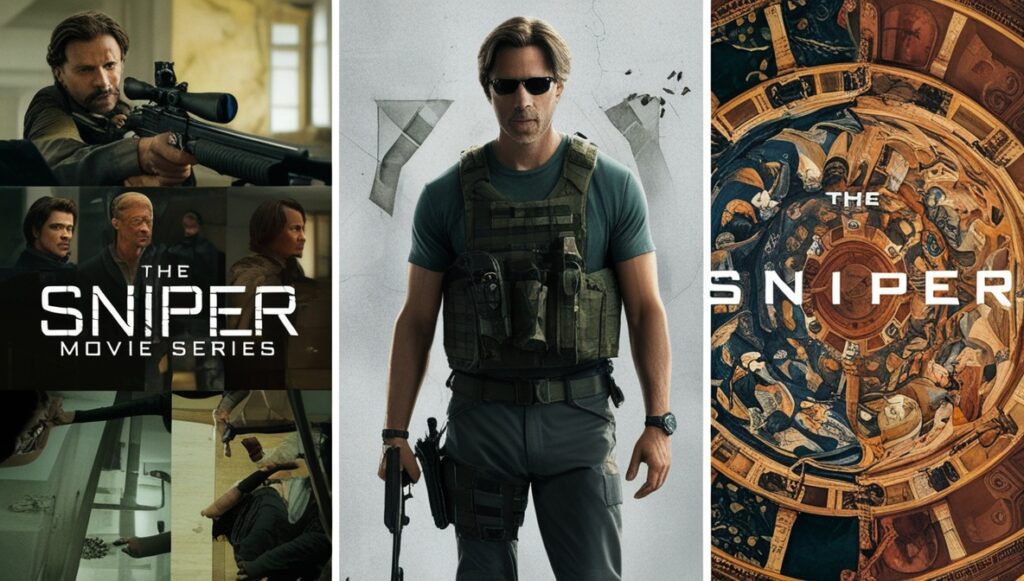
The Sniper Movie Series: A Complete Guide to the Most Surprising Franchise You’ve Probably Never Talked About
There’s something quietly wonderful about stumbling onto a movie series that’s been running for over 30 years and nobody seems to talk about at dinner parties. That’s the Sniper franchise for you. It started in 1993 with Tom Berenger creeping through a jungle in Queensland, Australia — standing in for Panama — and it hasn’t stopped since. No big superhero budget. No billion-dollar opening weekends. Just a steady, loyal audience, a handful of returning actors who genuinely seem to love what they’re doing, and more sequels than most people realize exist.
If you’ve ever caught one of these films on a lazy afternoon while flipping through cable or spotted the titles climbing a Netflix chart and thought wait, how many of these are there? — this article is for you.
Key Facts
| Detail | Info |
| First film released | 1993 (Sniper, theatrical release) |
| Total films (as of 2026) | 12 (with more possibly on the way) |
| Original lead actor | Tom Berenger as Thomas Beckett |
| Current lead actor | Chad Michael Collins as Brandon Beckett |
| Original film’s director | Luis Llosa |
| Original film’s budget | Approximately $5.3 million |
| Original film’s box office | ~$19 million worldwide |
| Original film’s debut position | #2 at the U.S. box office (January 1993) |
| Distribution format | First film theatrical; all sequels direct-to-video or streaming |
| Produced by | Sony Pictures (TriStar/Destination Films) |
| Main setting locations | Panama, Serbia, Vietnam, Congo, Georgia, Colombia, Malta, Costa Verde |
| Fan community presence | Strong; military community, action film fans, Netflix audiences |
Where It All Began: A Panama Jungle and Two Very Different Men
The year was 1993. Director Luis Llosa — a Peruvian filmmaker who later made Anaconda and The Specialist — wanted to do something different from the flashy action movies of that era. He thought Hollywood had made war and killing feel too clean, too consequence-free. So he went in the opposite direction.
Sniper opens with Master Gunnery Sergeant Thomas Beckett completing a mission in the Panamanian jungle. He’s not a laughing hero. He’s a man worn down by years of solitary, precise killing. He carries little keychains that represent every partner he’s lost, and the weight of that shows on Tom Berenger’s face in every scene.
Then in walks Richard Miller, played by Billy Zane. Miller is a government marksman — technically skilled, but completely unprepared for the reality of combat. He’s never taken a human life. The tension between these two men — one who’s done it too many times, and one who hasn’t done it at all — is what makes the first film tick.
The film was actually shot in Queensland, Australia, not Panama. Principal photography began in August 1991, and it was held back from release for a while before finally landing in theaters on January 29, 1993. It debuted at number two at the U.S. box office and went on to earn nearly $19 million worldwide. Not a blockbuster. But not a flop either — especially for a film made on around $5.3 million.
Critics were lukewarm. The late, great Roger Ebert gave it three stars and described it as “a pleasure to watch,” although pointing out that the protagonists were technically murderers with a hint of sardonic humour.The Rotten Tomatoes score hovered around 38–42%. But audiences kept returning to it on VHS and later DVD. That home-viewing life is what planted the seeds for everything that followed.
See aslo”Jack Ryan Movies: A Friendly Guide to Every Movie and Why He’s Stuck Around So Long“
The Quiet Genius of the First Film
Here’s what makes Sniper (1993) hold up better than its critical score suggests: it’s genuinely more of a psychological thriller than a straight action film.
There’s a famous rhythm to sniper work — long stretches of absolute stillness, patience, waiting. The first film understood this. It doesn’t fill the silence with explosions. It lets the tension breathe. You watch Beckett and Miller crouch in foliage, barely moving, and the film makes you feel the weight of the waiting.
One real-world sniper who reviewed the film from a technical standpoint noted just how much care went into the small details. Tom Berenger’s character applies camouflage face paint using the correct military method. Characters keep their fingers away from triggers when they’re not about to fire — something called trigger discipline — and it’s done consistently throughout. Two military advisors were brought in, including a Marine Corps sniper who had served in Vietnam.
It’s not perfect. But for a $5 million action movie made in the early ’90s, it was remarkably thoughtful about what being a sniper actually looks and feels like.
The Long Road to Direct-to-Video: How the Franchise Survived
After the first film, Sony looked at the rental numbers and TV ratings and figured something out: there was a real audience for this kind of story, even if they weren’t showing up at multiplexes.
So in 2002, almost a decade after the original, they brought back Tom Berenger for Sniper 2. This time, Beckett goes to Serbia, paired with a death-row convict offered a pardon in exchange for completing a mission. It aired on Cinemax — a TV release, not a theatrical one — and the franchise formally stepped into what the industry calls “straight-to-video” or “STV” territory.
Sniper 3 followed in 2004, this time filmed largely in Thailand, sending a battered Beckett to Vietnam on a mission that turns deeply personal. He’s told to eliminate a terrorist — and discovers the target is someone he once thought was dead. These first three films carry a certain worn, serious weight. Berenger gave the character real soul. Beckett drinks too much, struggles to connect with people, and carries guilt around like an extra piece of gear.
Then Berenger stepped back. And this is where something genuinely interesting happened.
Enter Chad Michael Collins: The Son Steps Out of the Shadow
In 2011, Sniper: Reloaded introduced a new character: Brandon Beckett, Thomas’s estranged son. Chad Michael Collins stepped into the role, and he’s been there ever since — appearing in eight out of the twelve films so far.
The interesting thing about Brandon’s journey is that it mirrors the kind of story people actually respond to. He didn’t grow up knowing his famous father. He joined the Marines but went infantry — boots on the ground, not long-range precision work. Sniping was his father’s world, not his.
Then missions kept pulling him toward the long gun. And slowly, reluctantly, Brandon started becoming something remarkably like his dad.
Collins has spoken warmly about the opportunity to grow a character across so many films. In interviews, he’s described Brandon as someone who “starts out lost” — without much of an identity, estranged from a legendary parent, trying to find his own way to make a difference. Over eight films, you genuinely watch that character find himself. That kind of long-arc storytelling is rare in franchises of any budget level.
Billy Zane returned in Reloaded as Richard Miller — now a seasoned sniper himself, shaped by those early Panama missions — to help mentor Brandon the way Thomas once mentored him. It’s a lovely bit of continuity that rewards fans who’ve followed the series from the start
The Middle Films: Missions, Mentors, and Moral Weight
From Sniper: Legacy (2014) onward, the series found its groove in a specific kind of story: Brandon Beckett, increasingly skilled, increasingly morally complicated, going up against threats that stretch from Georgia to Colombia to Costa Verde.
Sniper: Legacy brought Tom Berenger back — father and son finally sharing screen time — in a story where Brandon is told his father has been assassinated, only to discover it’s a ruse to draw out a killer. There’s something genuinely moving about the first real meeting between these two characters, both men carrying wounds they don’t talk about easily.
Sniper: Ghost Shooter (2016) is often considered one of the strongest entries by critics who follow the franchise closely. Midwest Film Journal called it “a legitimately well-crafted action-thriller.” It puts Brandon and his team in the Republic of Georgia, protecting a gas pipeline, while a mysterious enemy sniper seems to know their every move. The suggestion of a traitor within the team adds real paranoia to the mix.
Sniper: Ultimate Kill (2017) brought something fans had been waiting for: all three main characters — Thomas Beckett, Brandon Beckett, and Richard Miller — in the same film for the first time. Tom Berenger, Chad Michael Collins, and Billy Zane, united in Colombia to deal with a drug lord and his hired gun known as “El Diablo.” It’s the franchise doing its version of an all-star reunion, and it works.
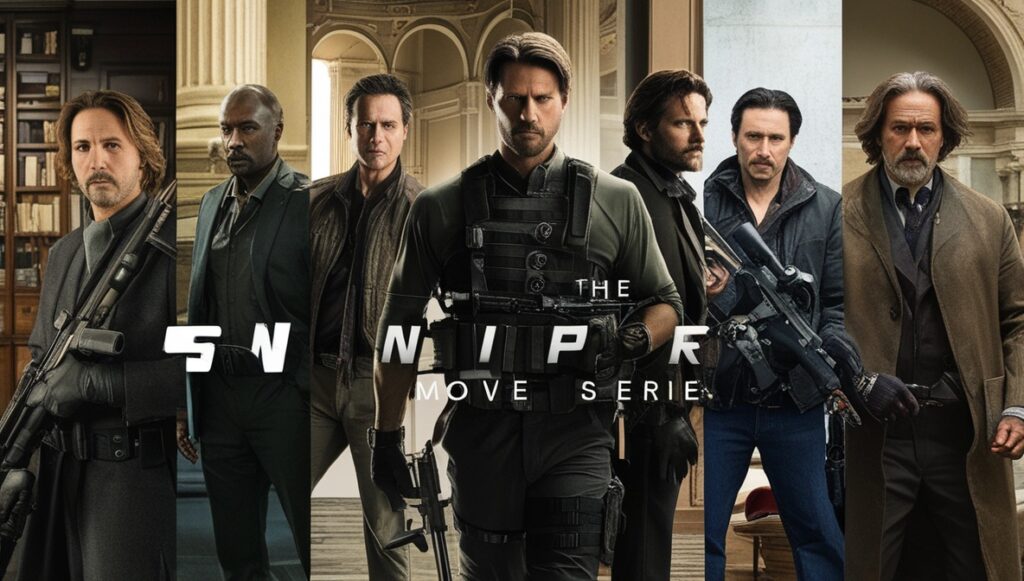
A New Team, New Tone: The G.R.I.T. Era
Around Sniper: Assassin’s End (2020), the series shifted again. New creative team, new style. Collins described the change as bringing in influences from John Wick — more stylized combat, sharper choreography, an anime-inflected visual energy.
Lady Death, a Yakuza-trained assassin played by Sayaka Akimoto, was introduced here as a villain who becomes a strange sort of ally. Agent Zero, played by Ryan Robbins, grew into Brandon’s closest friend and partner over multiple subsequent films. Dennis Haysbert — many people know him as President Palmer from 24, or the voice from those Allstate commercials — settled into the role of Colonel Stone, a reliable authority figure with unexpected warmth.
By Sniper: Rogue Mission (2022), the franchise felt something like a team-based action show. Collins himself compared it to The A-Team or even Suicide Squad — a group of slightly rogue operatives doing what official channels won’t. The tone got lighter, more playful. Some fans loved it. Others missed the grimmer weight of the early films.
Sniper: G.R.I.T. (2023) marked 30 years since the original film — a remarkable lifespan for any franchise. Sniper: The Last Stand (2025) continued the story, with Brandon now mentoring a young, untested sniper named Zondi, in a clear echo of what Thomas Beckett did for Miller back in 1993. And Sniper: No Nation (released in 2026) reunites Brandon, Thomas, and Agent Zero for what the promotional materials describe as “an off-the-books rescue mission against impossible odds.”
Why People Keep Watching
Here’s something worth sitting with: almost no film in this franchise has great critical reviews. Many don’t even have critic scores on Rotten Tomatoes. And yet the series has run for over three decades, spawned 12 films, and has entries regularly appearing in Netflix top-ten lists.
Why?
Part of it is the niche the franchise occupies. There aren’t many movie series dedicated specifically to military snipers. The Sniper films give that audience something designed for them — the patience, the precision, the culture, the moral questions that come with long-range warfare.
Part of it is the father-son story, which runs through the whole series like a quiet thread. Thomas and Brandon Beckett aren’t just action heroes. They’re men figuring out how to be related to each other. That emotional undercurrent is easy to underestimate, but it keeps people invested.
And part of it — honestly — is the simple pleasure of a genre that knows exactly what it is. These films aren’t trying to be Apocalypse Now. They’re trying to give you 90 minutes of tension, action, and characters you recognize. When that works, it’s genuinely satisfying.
The Numbers and the Future
The first film cost about $5.3 million and made $19 million worldwide. The sequels cost much less and earn their money through streaming, rental, and direct purchase — a business model that suits them perfectly.
Chad Michael Collins confirmed on social media in early 2025 that a twelfth film was “locked and loaded,” and Sniper: No Nation appears to confirm that. The franchise keeps finding ways to justify one more entry.
Whether Berenger will continue appearing, whether new characters will take center stage, whether the tone will stay playful or return to something grimmer — all of that is open. But after 33 years, one thing seems clear: someone keeps saying yes.
Final Thoughts
There’s a gentle kind of satisfaction in watching a movie series that was never supposed to last this long — and lasted anyway.
The Sniper franchise didn’t get here through prestige or awards or cultural conversation. It got here through the quiet loyalty of an audience that wanted something specific: military precision, father-son weight, globe-trotting missions, and characters who feel lived-in rather than manufactured.
Tom Berenger gave Thomas Beckett a soul. Chad Michael Collins gave Brandon Beckett a journey. And somewhere in between those two men — separated by age, by estrangement, by all the years that didn’t get shared — the franchise found its heart.
If you’ve never watched any of these films, Sniper (1993) is a surprisingly thoughtful place to start. If you want something more energetic, Sniper: Ghost Shooter is widely considered a strong entry point. And if you fall for the characters, there are twelve films waiting to take you further.
Sometimes, the movies that fly quietly under the radar turn out to be the ones worth finding.
FAQs
1. How many Sniper movies are there in total?
As of 2026, there are 12 films in the franchise, beginning with Sniper in 1993 and running through Sniper: No Nation in 2026. The series shows no sign of stopping, with Chad Michael Collins confirming further installments are being discussed.
2. Do I need to watch them all in order?
You don’t have to, but watching in release order gives you the most character payoff. The early films are more standalone, while films from Sniper: Legacy onward have stronger continuity between them.
3. Who is Thomas Beckett, and why does he matter?
Thomas Beckett (Tom Berenger) is the original protagonist — a Marine Master Gunnery Sergeant who has spent his career as a precision marksman. He’s the moral and emotional anchor of the entire franchise. Even when he’s absent, his shadow is on every story.
4. Who plays Brandon Beckett and when does he take over?
Chad Michael Collins first appeared as Brandon Beckett in Sniper: Reloaded (2011). Brandon is Thomas’s son and took over as the main character from the fourth film onward, though Tom Berenger has returned in multiple later entries.
5. Is the first Sniper movie good?
By action-film standards of the time, yes — and it holds up better than its 38% Rotten Tomatoes score suggests. It’s more of a psychological thriller than a pure action film, emphasizing the tension and patience of sniper work rather than nonstop shooting.
6. Why did the franchise go direct-to-video?
The original film made a modest theatrical profit but found a much larger audience through home video rentals and TV airings. Sony recognized that this audience existed and that a lower-budget sequel model could serve them well. That decision turned out to be right.
7. Does Billy Zane feature in all the films?
No. Billy Zane appeared in the original 1993 film and returned in Sniper: Reloaded (2011) and Sniper: Ghost Shooter (2016). He was absent from several other entries.
8. Which film is considered the best of the series?
Opinions vary, but Sniper: Ghost Shooter (2016) is frequently cited as a high point, praised for its tight plotting and solid action. The original 1993 film still holds the best audience rating on Rotten Tomatoes.
9. Where can I stream the Sniper movies?
A number of subsequent films, such as G.R.I.T., Sniper: Ghost Shooter, Ultimate Kill, Assassin’s End, and Rogue Mission. — have appeared on Netflix. Availability changes frequently, so checking your local streaming platforms is the best bet. Many can also be rented digitally.
10. Is there a real-world military community that follows this franchise?
Yes. Military.com has covered the series, and there’s a notable audience among veterans and active-duty servicemembers who appreciate the franchise’s treatment of sniper culture and Marine Corps identity. One actual military sniper gave the 1993 film high marks for its technical details.
11. How does the tone change across the 12 films?
Notably. The early Thomas Beckett films are sombre and deeply affecting. The Brandon Beckett era started in a similar vein, then shifted toward team-action adventure. By Rogue Mission and G.R.I.T., the series had developed a sense of humor and a lighter pace. The Last Stand and No Nation appear to blend both approaches.
12. Who is Lady Death?
Lady Death is a Yakuza-trained assassin introduced in Sniper: Assassin’s End (2020), originally as an antagonist. She’s played by Sayaka Akimoto and later becomes part of Brandon Beckett’s team. Her character arc — from enemy to reluctant ally — is one of the more interesting additions to the later films.
13. Will there be a 13th film?
Nothing is officially confirmed beyond No Nation, but given the franchise’s track record, most observers expect additional entries. Chad Michael Collins has expressed enthusiasm for continuing.
14. What happened to the original script that would have killed Beckett in the first film?
Tom Berenger revealed in an interview that in the original script, Richard Miller was supposed to shoot Beckett to prevent him from being tortured by enemies. The survival of the character was what made the entire sequel franchise possible.
15. Is the Sniper franchise connected to any other media?
Chad Michael Collins also played a character named Alex in Call of Duty: Modern Warfare (2019), a role he’s described as very similar to Brandon Beckett in spirit. While there’s no official crossover, Collins has noted the parallels between the two characters — both soldiers who question orders and operate from a deeply personal moral compass.
Every story matters—discover them all with Daily Narrative.