Wings of Apache: Looking Back at Hollywood’s Helicopter Answer to Top Gun
Pour yourself something warm, because I want to tell you about a movie that time sort of forgot, but really shouldn’t have. It’s known by two names, Fire Birds in the United States and Wings of the Apache nearly everywhere else in the world. Both titles point to the same 1990 movie, packed with real military helicopters, a young Nicolas Cage, and a plot that borrowed more than a little from a much more famous film.
This isn’t a movie people bring up often anymore. But if you love that specific, slightly cheesy flavor of early 90s action filmmaking, or you just love watching real aircraft do genuinely impressive things on camera, this one deserves a second look. Let’s talk through what it is, why it exists, and why it never quite became the hit everyone hoped for.
Key Facts
| Detail | Information |
| Title (US) | Fire Birds |
| Title (international) | Wings of the Apache |
| Release year | 1990 |
| Director | David Green |
| Studio | Touchstone Pictures |
| Runtime | About 86 minutes |
| Lead actor | Nicolas Cage as Jake Preston |
| Also starring | Tommy Lee Jones, Sean Young, Bryan Kestner |
| Setting | Fictional South American desert (Catamarca Desert) |
| Genre | Military action drama |
| Featured aircraft | AH-64 Apache, AH-1 Cobra, UH-60 Black Hawk, OH-58 Kiowa |
| Budget | Around $21 million |
| Domestic box office | About $14.7 million |
| Critical reception | Mostly negative, around 12% positive on Rotten Tomatoes |
| Government involvement | Made with cooperation from the U.S. Army, Department of Defense, and McDonnell Douglas |
What’s This Movie Actually About?
Here’s the plot in plain, simple terms. A U.S. Army pilot named Jake Preston survives a brutal ambush while flying an older Cobra helicopter against a drug cartel in South America. His friends don’t make it. He’s furious, and honestly, a little shaken.
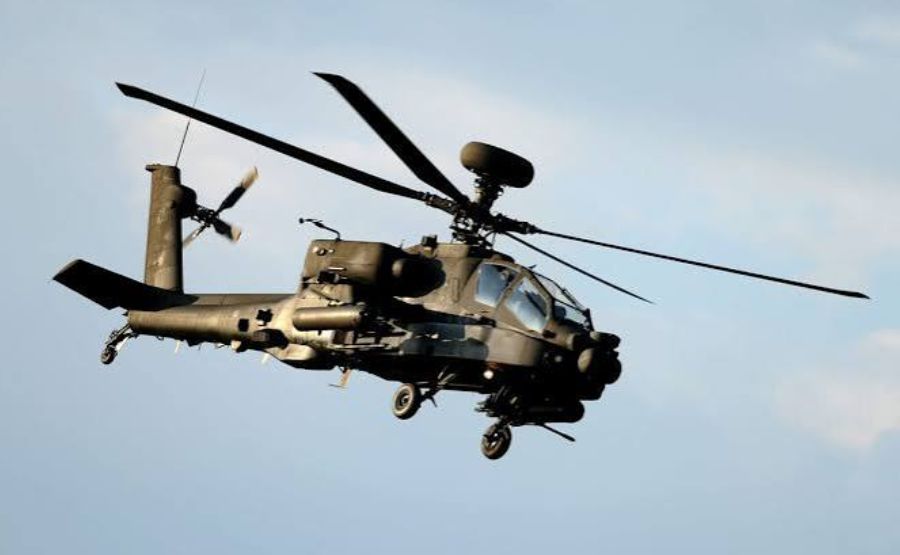
The Army decides it needs something stronger to fight back. That something is the AH-64 Apache, a brand-new, high-tech attack helicopter that had only recently entered service at the time. Preston gets pulled into a special training program to learn how to fly it.
His teacher is a tough, no-nonsense veteran pilot named Brad Little, played by Tommy Lee Jones. Along the way, Preston also runs into his ex-girlfriend, Billie Lee Guthrie, played by Sean Young, who happens to be training to fly a different helicopter for the same mission.
Eventually, the newly trained Apache pilots head back out to face the enemy who beat them the first time, a mercenary flying a nimble little attack helicopter nicknamed the “Scorpion.” It all builds toward one last aerial showdown in the desert.
See aslo” Jason Statham Shelter Review: Quiet Island Thriller, Reviewe Honestly“
The Elephant in the Room: Yes, It’s a Lot Like Top Gun
I have to be honest with you here, because almost every single person who has written about this movie brings this up immediately, and for good reason. Fire Birds borrows its entire structure from Top Gun, just about four years later and with helicopters instead of jets.
Cocky young pilot with something to prove. Gruff, wise mentor who’s seen it all. A love interest who also happens to be a skilled pilot in the same unit. A tragic loss that fuels the hero’s motivation. If you’ve seen Top Gun, you basically already know the shape of this story before you press play.
Some people find that charming, in a nostalgic, “they don’t make them like this anymore” kind of way. Others find it a little exhausting, feeling like watching a tribute band cover a song you already loved better in its original form. Either way, the resemblance is impossible to ignore, and honestly, the filmmakers weren’t hiding it much either.
Why It Has Two Different Titles
Here’s a fun little detail that a lot of casual viewers never learn. This movie wasn’t always called Fire Birds.
It was originally titled Wings of the Apache during much of its production and early marketing. When the distribution studio, Buena Vista, picked up the film for its American release in early 1990, they decided to rename it Fire Birds for domestic audiences. But in many countries around the world, including the UK, the original title stuck, and that’s still the name most international viewers know it by today.
It’s a small thing, but it explains why some people talk about “Fire Birds” and others talk about “Wings of the Apache” as though they’re two completely different movies, when really, they’re the exact same film wearing two different name tags.
The Real Star of the Show: The AH-64 Apache Helicopter
Here’s something that comes up again and again in reviews and retrospectives of this film, and I think it’s worth spending real time on. A lot of people who watched this movie, then and now, will tell you honestly that the human actors weren’t really the main attraction.
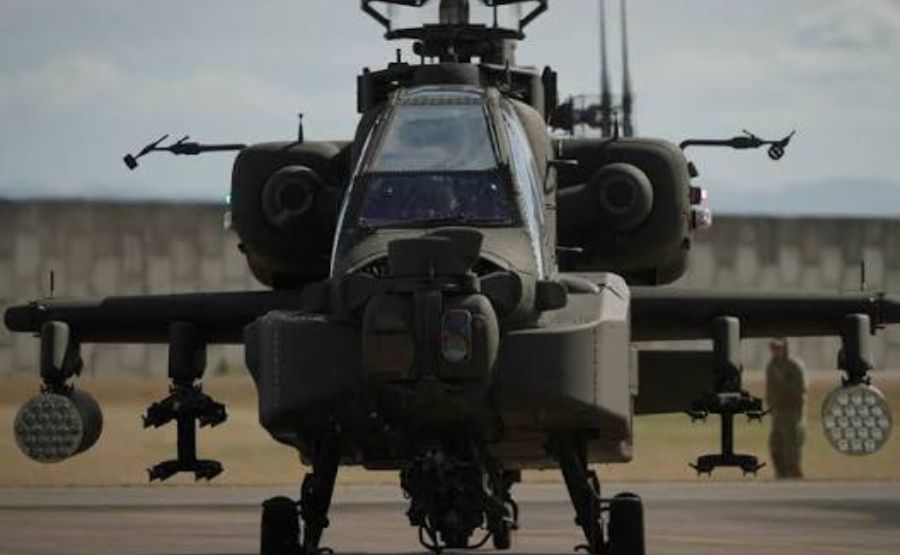
The Apache helicopter was still very new to the public at the time. It had entered military service only a handful of years earlier, and most people had never seen one up close, let alone watched it perform daring aerial maneuvers on a movie screen. This film gave audiences a genuine, unfiltered look at a piece of cutting-edge military hardware in action.
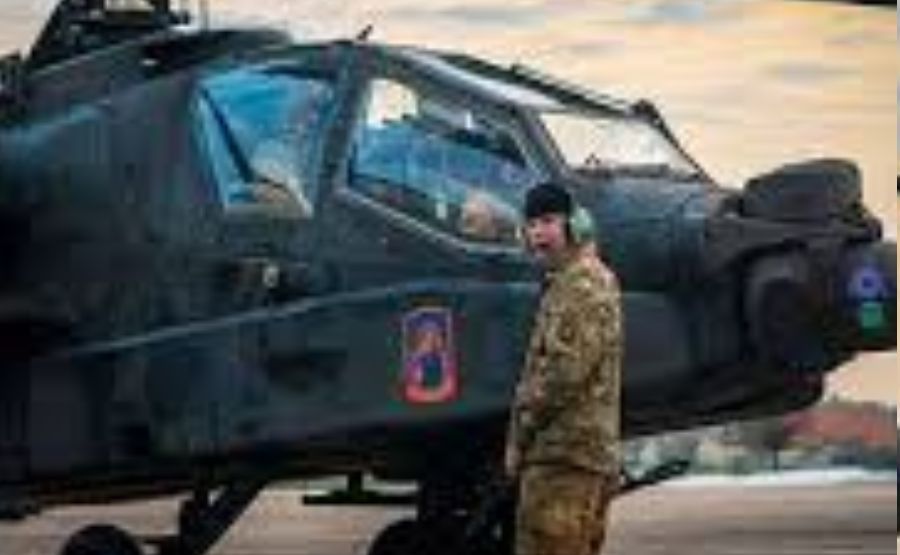
The production team got permission from the U.S. Army and the Department of Defense to use real Apache helicopters, along with Cobras, Black Hawks, and Kiowa scout helicopters. That’s not a small favor. Access like that requires trust, paperwork, and a whole lot of safety planning, since helicopter accidents on film sets have historically been a serious risk.
Getting the Military’s Blessing Wasn’t Easy
Making this movie required real cooperation from powerful institutions, and that cooperation shaped the film in some interesting ways.
The producers originally wanted to set the story somewhere specific in Latin America, but ended up keeping the location intentionally vague, calling it simply “South America,” likely to avoid political complications. They required approval from the Army and the Drug Enforcement Administration in order to gain access to real Apache helicopters and military installations.
McDonnell Douglas, the company that built the Apache at the time, actually supplied pilots for the production. There were strict safety rules on set, including limits on how close cast and crew could get to the running helicopters, since even experienced filmmakers know how easily things can go wrong around aircraft.
Interestingly, Nicolas Cage and Tommy Lee Jones reportedly did some of their own flying scenes, working alongside real, experienced Army pilots rather than relying entirely on stunt doubles. That’s a genuinely impressive commitment for two actors, especially considering the risks involved with military aircraft.
The People Behind the Story
When I learned about this movie, I was taken aback by who actually came up with the original plot.. It wasn’t written by career screenwriters sitting in a Hollywood office with no military background.
Two of the three people credited with conceiving the story, Step Tyner and John K. Swensson, were retired Army colonels. The third, Dale Dye, was a former Marine Corps captain who also appears in the film itself, playing a colonel. Dye later became well known in Hollywood for his work as a military advisor on other major war films.
That kind of background probably explains why the military hardware and procedures feel fairly grounded, even while the overall plot and dialogue lean heavily into typical action-movie exaggeration.
The Cast: Talented People, Uneven Results
Let’s talk about the people on screen for a moment, because this is where opinions really start splitting.
Nicolas Cage plays Jake Preston, and this was actually his very first true action role, years before movies like The Rock, Con Air, and Face/Off made him a household name in the genre. Watching this film, you can see early flashes of the intensity that would later define his career, even if a lot of critics at the time felt his performance leaned too far into over-the-top swagger without enough depth underneath it.
Tommy Lee Jones, playing flight instructor Brad Little, generally earned the most praise among reviewers. He brings a grounded, believable weight to a role that could have easily felt like a tired cliché in less capable hands.
Sean Young, playing Billie Lee Guthrie, got a much rougher reception from critics and audiences alike. Many believed her role wasn’t given much substance beyond being Preston’s love interest, and that the connection between her and Cage never completely convinced anyone watching.
How Critics Reacted at the Time
Reviews for this film were rough, and I mean genuinely rough. Around 88 percent of critics gave it a negative review when it came out, and the general consensus was that the talented cast simply had far too little to work with.
One prominent critic described it as feeling almost like a lengthy advertisement for the Army and its new Apache helicopters rather than a fully realized story on its own terms. Another well-known film critic pointed out how thin the romantic chemistry felt between the two leads, and how the mentor speeches given by Jones’s character didn’t land with the emotional weight they were clearly aiming for.
That said, not every reaction was purely negative. A few reviewers acknowledged that while the film clearly leaned on a familiar formula, it still delivered a watchable, entertaining action experience for viewers who weren’t expecting anything groundbreaking going in.
The Box Office Story
Financially, this movie had a tough road. It opened in fifth place during its debut weekend in May 1990, earning just over six million dollars in its first few days.
By the end of its short three-week run in theaters, it had earned around $14.7 million domestically against a budget reported at roughly $21 million. That’s a disappointing outcome by almost any measure, especially for a film with genuine star power attached and real military cooperation behind it.
Part of the problem was timing. The film released into a crowded summer season, competing directly against much bigger releases like Back to the Future Part III and Total Recall. Going up against films with that kind of audience pull left very little room for a smaller military action movie to find its footing.
The Charm People Still Find In It Today
Here’s where the story gets a little more heartwarming, or at least more forgiving. Even though this film flopped commercially and critically decades ago, it’s developed a small, genuine group of fans who revisit it fondly today.
Some viewers describe a real nostalgic pull toward the film’s practical effects and unfiltered helicopter action, especially compared to the heavily digital effects common in modern action movies. There’s something satisfying about watching real aircraft perform real maneuvers, even if the story wrapped around them is far from perfect.
Others enjoy it specifically because of how earnestly, almost innocently, it commits to its own cheesiness. Nicolas Cage repeating a memorably over-the-top line about being “the greatest” has become something of an inside joke among fans of his early career, referenced fondly rather than mockingly by people who’ve grown to appreciate his uniquely intense acting style.
Challenges the Film Faced Beyond the Screen
Beyond weak reviews and a modest box office, this movie ran into a few other obstacles worth mentioning.
Getting military cooperation, while valuable, also came with real limitations. Filmmakers had to follow strict safety protocols, work around the Army’s own scheduling needs, and stay respectful of how military equipment and personnel were portrayed. That kind of institutional partnership can shape a film in ways that sometimes clash with pure storytelling freedom.
There was also unavoidable competition with its most obvious influence. Comparisons to Top Gun were everywhere from the moment this movie was announced, and there was really no escaping that shadow, fairly or not.
Why It Still Matters as a Piece of Film History
Even setting aside whether it’s a great film, Fire Birds holds a genuinely interesting place in movie history. It captured the AH-64 Apache helicopter early in its public life, giving general audiences their first real cinematic look at a machine that would go on to become one of the most recognizable military helicopters in the world.
It also marked an important early stepping stone for Nicolas Cage’s transition into action filmmaking, a genre he’d go on to define across the following decade. Watching this film today feels a little like looking at an early sketch before an artist fully finds their style.
Personal Reflections on Watching It Now
If you sit down with this movie expecting a hidden masterpiece, you’ll probably be disappointed. However, there is a real, a time, nostalgic, nostalgic, nostalgic, nostalgic, nostalgic, nostalgic, nostalgic, nostalgic, nostalgic, nostalgic, nostalgic, blockbuster.
Watching genuine Apache helicopters perform intricate maneuvers, filmed decades before advanced computer effects became the industry standard, carries its own quiet sense of wonder. There’s something honest about that kind of filmmaking, imperfect story and all.
Final Words
I think Fire Birds, or Wings of the Apache if you know it by its other name, deserves a gentler kind of appreciation than it usually gets. It was never going to outshine the movie it so clearly borrowed from, and it probably knew that going in.
But it captured something real too, a genuine piece of military hardware history, an early glimpse of a future movie star finding his footing, and a snapshot of a very particular, very earnest style of action filmmaking that Hollywood doesn’t really make anymore. Sometimes a movie doesn’t need to be great to be worth remembering. Sometimes it just needs to be honest about what it’s trying to do.
If you ever stumble across it late at night while flipping through an old movie channel, give it a chance. Go in with low expectations and an open mind, and you might just have a genuinely fun time.
FAQs
1. Is Wings of the Apache the same movie as Fire Birds?
Yes, they’re the exact same 1990 film. It was originally titled Wings of the Apache, but the American distributor renamed it Fire Birds for its U.S. release, while many other countries kept the original title.
2. Is Fire Birds based on a true story?
No, the plot itself is fictional, though it was created by people with real military backgrounds and features genuine, accurately depicted military helicopters.
3. Why does everyone compare this movie to Top Gun?
Because the plot structure closely follows Top Gun’s formula, a cocky young pilot, a tough mentor, a romantic rival-turned-love-interest, and a climactic final mission, just swapped from fighter jets to attack helicopters.
4. Who plays the lead role in Fire Birds?
Nicolas Cage plays Jake Preston, the film’s main character, marking his very first true action film role before he became known for movies like Con Air and Face/Off.
5. Did the real U.S. Army help make this movie?
Yes, extensively. The production received cooperation from the U.S. Army, the Department of Defense, and helicopter manufacturer McDonnell Douglas, granting access to real Apache, Cobra, and Black Hawk helicopters.
6. How did critics react to the film when it came out?
Very negatively overall. Most reviewers felt the story was overly familiar and the dialogue was weak, though several acknowledged the impressive helicopter action sequences.
7. Was Fire Birds a box office success?
No, it struggled against much larger competitive releases that same summer and only made about $14.7 million domestically against a reported $21 million budget.
8. What kind of helicopter does the film focus on?
The AH-64 Apache attack helicopter, which was relatively new to military service at the time and had never been showcased so prominently on screen before.
9. Who plays the tough flight instructor in the movie?
Tommy Lee Jones plays Brad Little, the experienced pilot tasked with training Nicolas Cage’s character to fly the Apache helicopter.
10. Did the actors really fly the helicopters themselves?
Reportedly, yes, at least partially. Nicolas Cage and Tommy Lee Jones did some of their own flying scenes, working closely alongside experienced military pilots for safety.
11. Why does the movie’s story stay vague about which country it’s set in?
The producers reportedly kept the setting as a general “South America” location, likely to avoid political complications while still filming with real U.S. military cooperation.
12. Is Fire Birds worth watching today?
If you enjoy nostalgic early-90s action films and appreciate real practical helicopter effects, many fans feel it’s a genuinely fun watch, even while acknowledging its flaws.
13. What other helicopters appear in the film besides the Apache?
The film also features AH-1 Cobras, UH-60 Black Hawks, and OH-58 Kiowa scout helicopters, giving viewers a fairly wide look at U.S. military rotary aircraft from that era.
14. Did this movie help Nicolas Cage’s career?
It’s often viewed as an important early step, giving him his first real action-movie role before he became closely associated with the genre throughout the 1990s.
15. Is there a sequel to Fire Birds or Wings of the Apache?
No official sequel was made, though the film reportedly inspired a short-lived, poorly received television series afterward.
Every story matters—discover them all with Daily Narrative.