Dr. Ben Garfield: The Quiet Physician Behind a Famous Name
In a culture that prizes visibility above nearly all else, Dr. Benjamin Garfield has built a distinguished life and career entirely out of the spotlight — treating critically ill patients, advancing scientific knowledge, and refusing, quietly but firmly, to be defined by someone else’s fame.
Quick Facts
| Detail | Information |
| Full Name | Dr. Benjamin Garfield |
| Known As | Ben Garfield |
| Born | c. 1980, Los Angeles, California, USA |
| Nationality | British-American |
| Primary Role | Consultant in Respiratory Medicine & Critical Care |
| Hospital | Royal Brompton Hospital, Chelsea, London (NHS) |
| Academic Affiliation | National Heart and Lung Institute, Imperial College London |
| Honorary Title | Senior Clinical Lecturer at Imperial College London’s Department of Surgery and Cancer |
| Education | Nottingham Medical School (2004); MRCP (2006); MSc Respiratory Medicine, Imperial College London |
| Key Fellowship | Medical Research Council Clinical Research Fellowship (2013) |
| Research Focus | Pulmonary arterial hypertension, ECMO, COVID-19 ARDS, ICU-acquired muscle weakness |
| Notable Sibling | Andrew Garfield, actor (The Amazing Spider-Man, Hacksaw Ridge, tick, tick…Boom!) |
| Parents | Richard Garfield (father, American); Lynn Garfield, née Hillman (mother, British; d. December 2019) |
| Raised | Epsom, Surrey, England |
Origins: Two Countries, One Household
Ben Garfield came into the world in Los Angeles, California, the first child of Richard Garfield, an American of Jewish heritage with family roots in Poland, Russia, and Romania, and Lynn Garfield, an Englishwoman from Essex. The family’s cultural identity straddled the Atlantic from the start.
Richard and Lynn ran a small interior design business together. It was a modest, practical livelihood — far removed from both Hollywood and Harley Street, the twin worlds their sons would eventually inhabit. Lynn also worked as a nursery school teaching assistant, a role that spoke to the quiet caregiving instinct that seems to have shaped both her sons.
When Ben was approximately ten years old, the family relocated from California to Epsom in Surrey, England. It was there, in the quiet green suburbs of southeast England, that he and his younger brother Andrew grew up side by side. Richard Garfield later became the head coach at Guildford City Swimming Club, trading interior design for competitive sport instruction.
The transatlantic childhood gave both boys a dual sensibility — California-born, English-raised, Jewish by heritage, British by formation. That particular combination, of American openness and English understatement, arguably shaped the two men in distinct ways: one pursued public storytelling, the other private service.
See aslo “John F. Kennedy: The Unfinished Presidency“
Education: The Long Road to the Consultant’s Chair
Ben attended Priory Preparatory School in Banstead, Surrey, and later the City of London Freemen’s School in Ashtead — both selective, academically rigorous institutions. He was, by all accounts, a focused and high-achieving student.
He chose medicine. The University of Nottingham Medical School, one of England’s well-regarded medical faculties, granted him his primary qualification in 2004. Two years later, in 2006, he earned his MRCP — Membership of the Royal Colleges of Physicians — the demanding postgraduate examination that marks the transition from junior doctor to physician in training.
The MRCP is no formality. It requires deep clinical knowledge, diagnostic reasoning, and the kind of disciplined, evidence-grounded thinking that separates competent clinicians from exceptional ones.
Ben then pursued a Master of Science degree in Respiratory Medicine at Imperial College London, sharpening his focus on the lungs and the vascular systems that serve them. He joined the London Deanery’s registrar training programme, completing his fifth year of specialty training in respiratory, critical care, and general medicine.
In 2013, the Medical Research Council awarded him a Clinical Research Fellowship — a competitive national award that funds outstanding clinicians to pursue doctoral-level research. He undertook his PhD at the National Heart and Lung Institute under the supervision of Dr. John Wort, Dr. Paul Kemp, and Professor Michael Polkey. His doctoral project targeted TGF-beta signalling and its role in muscle weakness associated with pulmonary arterial hypertension — a disease of the blood vessels supplying the lungs.
It was a decade and a half of sustained, unglamorous work. No red carpets. No premieres. Years of ward rounds, night shifts, examination preparation, and laboratory inquiry
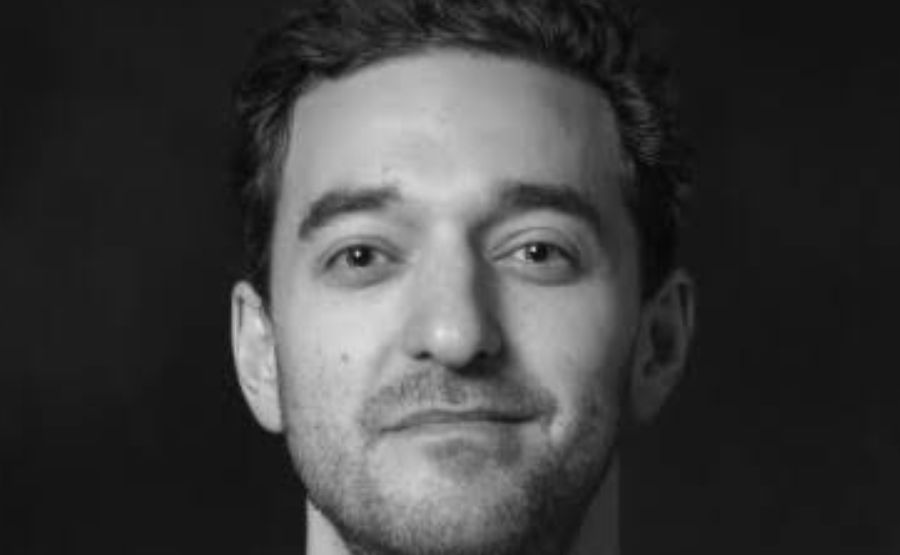
The Royal Brompton and the Making of a Specialist
Royal Brompton Hospital in Chelsea is not a general district hospital. It is the United Kingdom’s largest specialist heart and lung centre, a place where patients arrive with conditions that ordinary hospitals cannot adequately treat. Cardiomyopathies, cystic fibrosis, pulmonary hypertension, end-stage respiratory failure — the Brompton handles the cases that exhaust other institutions’ resources.
To hold a consultant post there is a serious professional credential. Ben Garfield joined the Adult Intensive Care Unit as a consultant, also leading the unit’s follow-up services for patients who had survived critical illness.
His academic connection to Imperial College London formalized alongside his clinical role. He holds an Honorary Clinical Senior Lectureship in the Department of Surgery and Cancer, a dual appointment that places him in both the ward and the lecture hall, responsible not only for the patients in his care but for the formation of future clinicians.
His research profile at Imperial lists affiliations with the Critical Care and Pulmonary Hypertension group, the Respiratory and Skeletal Muscle group, and the Muscle Gene Expression group. These are not peripheral interests. They describe a clinician-scientist with a sustained, methodical focus on why critically ill patients lose muscle mass and strength — and how that loss can be treated or prevented.
Published work under his name includes studies on microRNA regulation in pulmonary arterial hypertension, growth/differentiation factor 15 and muscle atrophy in PAH patients, and the mechanisms of ICU-acquired weakness. His contributions appear in peer-reviewed journals including Respiratory Research and publications associated with the European Respiratory Society.
COVID-19: Medicine in the Eye of the Storm
When the SARS-CoV-2 pandemic arrived in the United Kingdom in early 2020, it landed hardest on the respiratory system — and on the intensive care units staffed by specialists like Ben Garfield.
Royal Brompton became one of the leading centres for managing the most severe cases of COVID-19 pneumonitis and acute respiratory distress syndrome. Ben, as a consultant in the Adult ICU, was on the front lines of that effort. His clinical focus on respiratory failure, mechanical ventilation, and extracorporeal membrane oxygenation — a technique that takes over the function of the lungs in patients too ill for conventional ventilation — placed him precisely where the crisis was most acute.
He contributed to clinical research emerging from Brompton during this period, including studies on veno-venous ECMO outcomes in COVID-19 ARDS patients. Published case work under his name explored pulmonary hypertension arising as a complication of COVID-19 interstitial lung disease — a newly observed and poorly understood consequence of severe infection. He was also named as a consultant contributor to a Trust-level trial examining inhaled nitric oxide in severe COVID-19 pneumonia.
The work was serious and consequential. When the entertainment industry shut its doors and the world retreated indoors, the intensive care ward at Royal Brompton was filling with patients whose oxygen levels were collapsing. Ben Garfield and his colleagues managed those patients through the most demanding months of a generation-defining crisis.
His brother Andrew, speaking publicly during this period, described calling Ben frequently — every other day, in some accounts — for information, reassurance, and connection. Andrew described himself, with characteristic self-deprecation, as functioning as an “emotional support animal” for Ben during those months. The phrase acknowledged something real: the asymmetry between watching a crisis unfold from a distance and living inside it on the frontline.
Personal Life: Privacy as a Considered Choice
Ben Garfield has maintained a degree of privacy about his personal circumstances that is, in the context of modern digital culture, almost remarkable. He is not active on public social media. He gives no interviews. He does not seek media coverage.
The available biographical record confirms very little about his personal life. Reports suggest he is married and may have children, though he has not confirmed these details publicly and they remain unverified. His personal relationships, home circumstances, and private habits are simply not on record — a choice that deserves to be read as deliberate rather than mysterious.
What is documented is the relationship between the two brothers. Andrew Garfield has spoken about Ben consistently over the years — warmly, admiringly, and with the slightly teasing affection of a younger sibling who knows exactly how to get under the skin of the elder.
The brothers’ bond was most publicly visible during Andrew’s appearance on The Late Show with Stephen Colbert in 2021, when Andrew pointed out Ben in the studio audience and made gentle jokes about their physical differences — specifically, that Ben had lost more of his hair. The moment went briefly viral. It was the kind of exchange that humanizes both men: Andrew not as a film star but as a younger brother, Ben not as a celebrity’s sibling but as someone who turned up to support his family and got teased for it.
The shared grief of losing their mother Lynn in December 2019, just months before the pandemic, bound them more tightly still. Lynn Garfield died from pancreatic cancer. Andrew has spoken about his mother’s death in multiple interviews, crediting her warmth and her capacity for care as the values he most tries to carry forward in his own life. Ben, for his part, is a man who has dedicated his professional life to preventing exactly the kind of loss that claimed her.
The connection between that grief and Ben’s chosen vocation — treating the dying and the critically ill, researching the biology of suffering — is not something he has discussed publicly. It may be too private, or too obvious, to require comment.
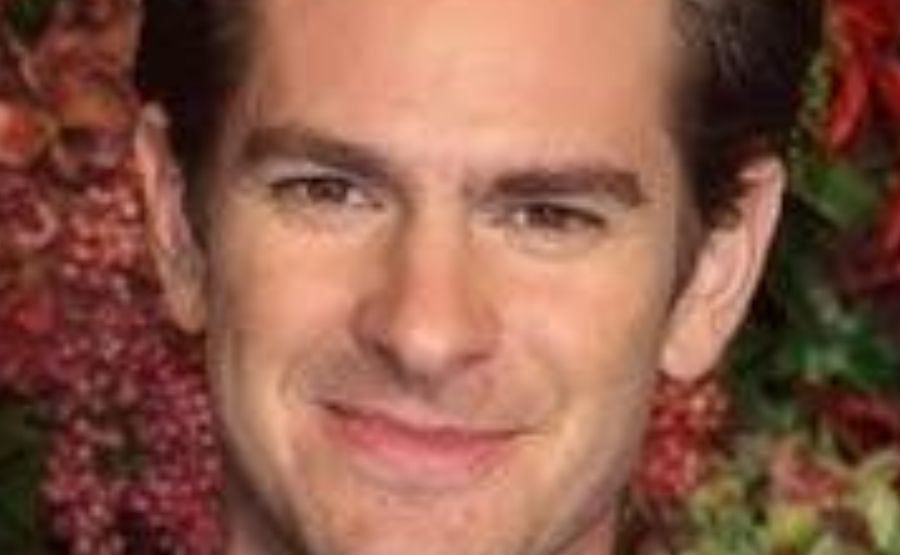
Legacy and Significance: What Quiet Excellence Looks Like
Ben Garfield’s career raises a question that is worth sitting with: what does it mean to matter, professionally, when the culture has no ready category for you?
His name circulates primarily because his brother is famous. The searches that find his biography typically begin with Andrew. The articles that profile him most extensively tend to invoke the comparison reflexively: one brother fights fictional villains on screen; the other fights real disease in the ICU. The observation is accurate but also slightly reductive. It frames Ben’s significance as a counterpoint to celebrity rather than as a thing in itself.
Taken on its own terms, his career represents something genuinely valuable. He trained at the highest level. He works at one of the world’s foremost specialist lung hospitals. He contributes peer-reviewed science to the fields of pulmonary medicine and critical care. He teaches the next generation of physicians at Imperial College London. He managed patients through the worst respiratory crisis in living memory.
The peer-reviewed publications bearing his name will outlast the viral moment when Stephen Colbert reacted with surprise at his brother’s age. His contributions to understanding MicroRNA regulation in pulmonary hypertension, or to describing the emergence of post-COVID pulmonary hypertension as a clinical entity, will be cited long after the circumstances of their production are forgotten.
In an era defined by the pursuit of platform and visibility, Ben Garfield’s professional life offers a different model. It is one of accumulated expertise, unglamorous service, and institutional responsibility. It is, in that sense, a version of success that the culture struggles to celebrate precisely because it resists the tools culture uses to celebrate things.
Final Words
Dr. Benjamin Garfield is, in the most straightforward sense, a private person whose public record consists almost entirely of professional achievements. He did not seek biographical treatment. He has not offered himself as a subject. The interest in him is, in part, a consequence of his brother’s fame — and that is a structural irony worth acknowledging plainly.
At the same time, the record that does exist is genuinely impressive. A Medical Research Council fellowship. A consultant post at Royal Brompton. Published research on pulmonary arterial hypertension, COVID-19 ARDS, and ICU-acquired weakness. An Honorary Senior Lectureship at Imperial College London. A frontline role during the pandemic.
These are not footnotes to a more famous life. They are the primary text of a serious medical career.
What makes Ben Garfield interesting as a biographical subject is not the contrast with Andrew, though that contrast is real and telling. It is something quieter: the evidence that within the same family, raised by the same parents, shaped by the same losses, two very different answers to the question of how to live a useful life can both be right.
Andrew Garfield has spent his career asking audiences to feel things they might otherwise avoid. Ben Garfield has spent his keeping patients alive long enough to feel anything at all. Both brothers, in their own registers, are doing the same essential work — attending to what is most fragile in human beings, and refusing to look away.
FAQs
1. Who is Ben Garfield?
Dr. Benjamin Garfield is a British-American physician specializing in respiratory medicine and critical care. He is a consultant at the Royal Brompton Hospital in Chelsea, London, and an Honorary Clinical Senior Lecturer at Imperial College London.
2. Is Ben Garfield related to Andrew Garfield?
Yes. He is the older brother of actor Andrew Garfield, known for The Amazing Spider-Man, Hacksaw Ridge, and tick, tick…Boom!
3. Where was Ben Garfield born?
He was born in Los Angeles, California, USA, to an American father and an English mother. The family later relocated to Epsom, Surrey, England.
4. Where did Ben Garfield study medicine?
He graduated from the University of Nottingham Medical School in 2004. He subsequently earned his MRCP in 2006 and completed a Master of Science in Respiratory Medicine at Imperial College London.
5. What is Ben Garfield’s medical speciality?
He specializes in respiratory medicine and critical care, with a particular focus on pulmonary arterial hypertension, ECMO (extracorporeal membrane oxygenation), ICU-acquired weakness, and severe respiratory failure.
6. Where does Ben Garfield work?
He works as a consultant at Royal Brompton Hospital in Chelsea, London — the UK’s largest specialist heart and lung centre — and holds an honorary academic position at Imperial College London’s National Heart and Lung Institute.
7. What research has Ben Garfield published?
His peer-reviewed research covers MicroRNA regulation in pulmonary hypertension, TGF-beta signalling and muscle atrophy, ICU-acquired weakness, ECMO outcomes in COVID-19 ARDS, and pulmonary hypertension as a complication of post-COVID interstitial lung disease.
8. What is ECMO and why is it relevant to his work?
ECMO — extracorporeal membrane oxygenation — is a life-support technology that oxygenates blood outside the body when the lungs are too damaged for conventional ventilation. Royal Brompton runs one of the UK’s leading ECMO services, and Ben Garfield has contributed clinical research on its use in COVID-19 patients.
9. What was Ben Garfield’s role during the COVID-19 pandemic?
As a critical care consultant at Royal Brompton, he treated patients with severe COVID-19 pneumonitis and acute respiratory distress syndrome. He contributed to clinical studies on ECMO, inhaled nitric oxide, and post-COVID pulmonary hypertension during this period.
10. What fellowship did Ben Garfield receive in 2013?
He was awarded a Clinical Research Fellowship by the Medical Research Council — a competitive national funding award — to undertake a PhD at the National Heart and Lung Institute investigating TGF-beta signalling and muscle weakness in pulmonary arterial hypertension.
11. What happened to the brothers’ mother, Lynn Garfield?
Lynn Garfield, née Hillman, died in December 2019 from pancreatic cancer. Andrew Garfield has spoken publicly about her death in multiple interviews, describing her kindness as a defining influence on his values and approach to work.
12. Has Ben Garfield appeared publicly alongside his brother Andrew?
Yes, most notably during Andrew’s 2021 appearance on The Late Show with Stephen Colbert, where Ben sat in the studio audience and Andrew introduced him, joking lightheartedly about their physical differences. Andrew also mentioned Ben in interviews with Live with Kelly and Ryan and The Believer magazine.
13. Does Ben Garfield have a social media presence?
No. He does not maintain a known public social media profile and consistently keeps his personal and professional life out of the media spotlight.
14. Is Ben Garfield married?
He has not discussed his personal relationships publicly. Some sources report that he is married with children, but this has not been confirmed by him or by verified primary sources.
15. What is Ben Garfield’s estimated net worth?
Reliable estimates are unavailable. As a consultant physician in the NHS and private medicine in London, with additional academic income from Imperial College London, reliable estimates suggest a range of approximately £1 million to £2 million — accumulated through professional service rather than media or commercial activity.
Every story matters—discover them all with Daily Narrative.